
Chocolate Trends to Watch in 2026
- Posted on
- By The Pastry Depot
- 0
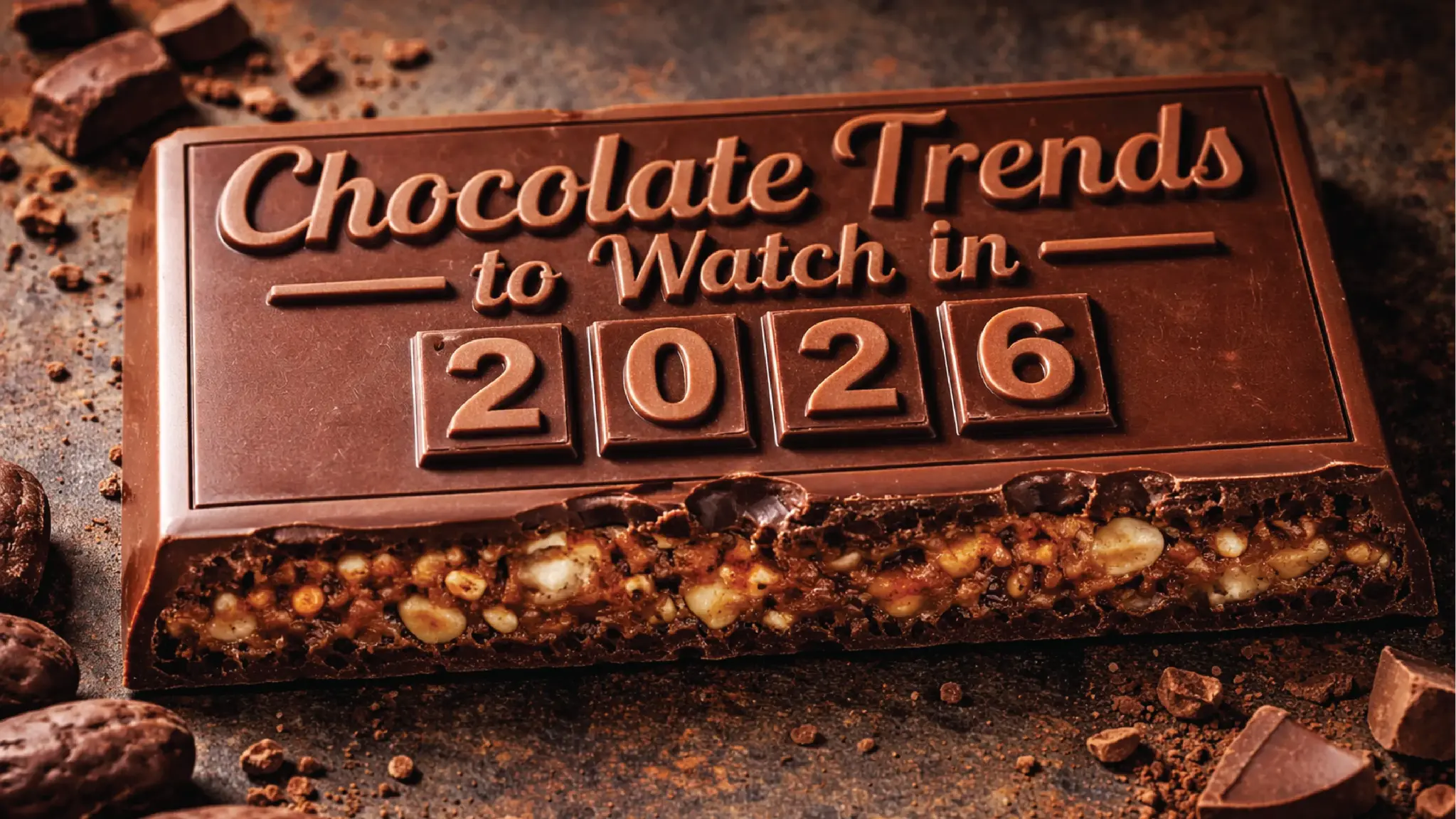
From plant-based innovations to multi-textured bars and rising demand for ethical sourcing, discover the key chocolate trends shaping pastry and confectionery in 2026.
Chocolate is constantly evolving — from new ingredients and textures to changing consumer expectations and supply challenges. As we move into 2026, several trends are shaping the future of chocolate for pastry chefs, chocolatiers, and dessert professionals.
Chocolate’s Modern Evolution
From plant-based innovations to multi-textured bars and growing interest in traceability, the chocolate world is responding to both creativity and real-world pressures like rising cocoa prices and climate instability. Here are some of the key trends worth watching in the year ahead.
1. Plant-Based & Alternative Chocolates Continue to Grow
Amid ongoing supply chain pressures in the traditional cocoa market, major industry players are proactively turning to innovative alternatives to ensure stability and sustainability.
In late 2025, Barry Callebaut — the world's leading chocolate and cocoa supplier — announced a significant long-term partnership with German food-tech innovator Planet A Foods. The collaboration aims to scale production of ChoViva, a pioneering cocoa-free chocolate alternative crafted from fermented and roasted sunflower seeds (along with other locally sourced crops). This breakthrough delivers a remarkably authentic chocolate-like taste and texture without relying on cocoa beans, addressing both environmental concerns and volatile supply issues.
Meanwhile, luxury chocolatier Valrhona has expanded its innovative Inspiration range, featuring fruit-based "chocolates" made from high-quality dehydrated fruit juices blended with pure cocoa butter. These vibrant, dairy-free couvertures—such as passion fruit, strawberry, raspberry and other varieties—capture intense natural flavors while behaving just like traditional chocolate in recipes, offering chefs and brands a versatile, cocoa-independent option.
These forward-thinking moves highlight a growing shift in the industry: blending creativity with practicality to future-proof chocolate production.
2. The Texture Revolution Goes Mainstream
Chocolate is no longer just about rich, melt-in-your-mouth flavor—texture has emerged as an equally captivating star in the world of confections.
Today's consumers crave multi-sensory experiences that surprise and delight with every bite: the satisfying crunch of inclusions, the silky contrast of creamy fillings, the delicate snap of crisp layers, and the playful tension between soft and crunchy elements. From puffed grains and biscuit fragments to freeze-dried fruits, cacao nibs, and intricate layered ganaches, these additions transform a simple chocolate bar into a dynamic, dessert-like adventure.
This shift is especially evident in filled bars, pralines, and multi-textured confections, where indulgent centers meet crunchy surprises or structured layers for a more engaging mouthfeel. Rather than uniform solid bars, we're seeing "composed pastry" inspirations—chocolates that mimic the complexity of fine desserts, blending smoothness with deliberate crispness and crunch.
Leading suppliers are fueling this trend with innovative, ready-to-use inclusions designed to deliver reliable texture even in moist or fatty applications. Cacao Barry's Praline Feuilletine™ combines hazelnut praline with delicate crêpes dentelles pieces for an irresistible, buttery crunch. Their Cara Crakine™ offers a caramelized milk chocolate base studded with toasted crispy cereal pearls, perfect for filling bonbons, cakes, or bars without losing integrity.
For moisture-resistant options, Sosa's Wet-Proof Crispies stand out—coated to maintain their crunch in yogurts, ice creams, mousses, or ganaches, bringing originality and texture to wet preparations. Callebaut and Mona Lisa's Croquant lines known as Crispearls™ (including chocolate-coated biscuit pearls in milk, dark, white, or flavored varieties like salted caramel) provide tiny, explosive bursts of crispness that stay delightfully crunchy in fillings or as toppings.
And let's not forget the timeless appeal of nuts—whether toasted almonds, hazelnuts, pistachios, pecans, or walnuts—adding natural crunch, earthy depth, and visual interest to elevate any creation.
In 2026, texture isn't an afterthought—it's the secret to making chocolate feel fresh, luxurious, and endlessly craveable. Chefs and chocolatiers are playing with these tools to craft experiences that pop, crackle, and linger long after the last bite.
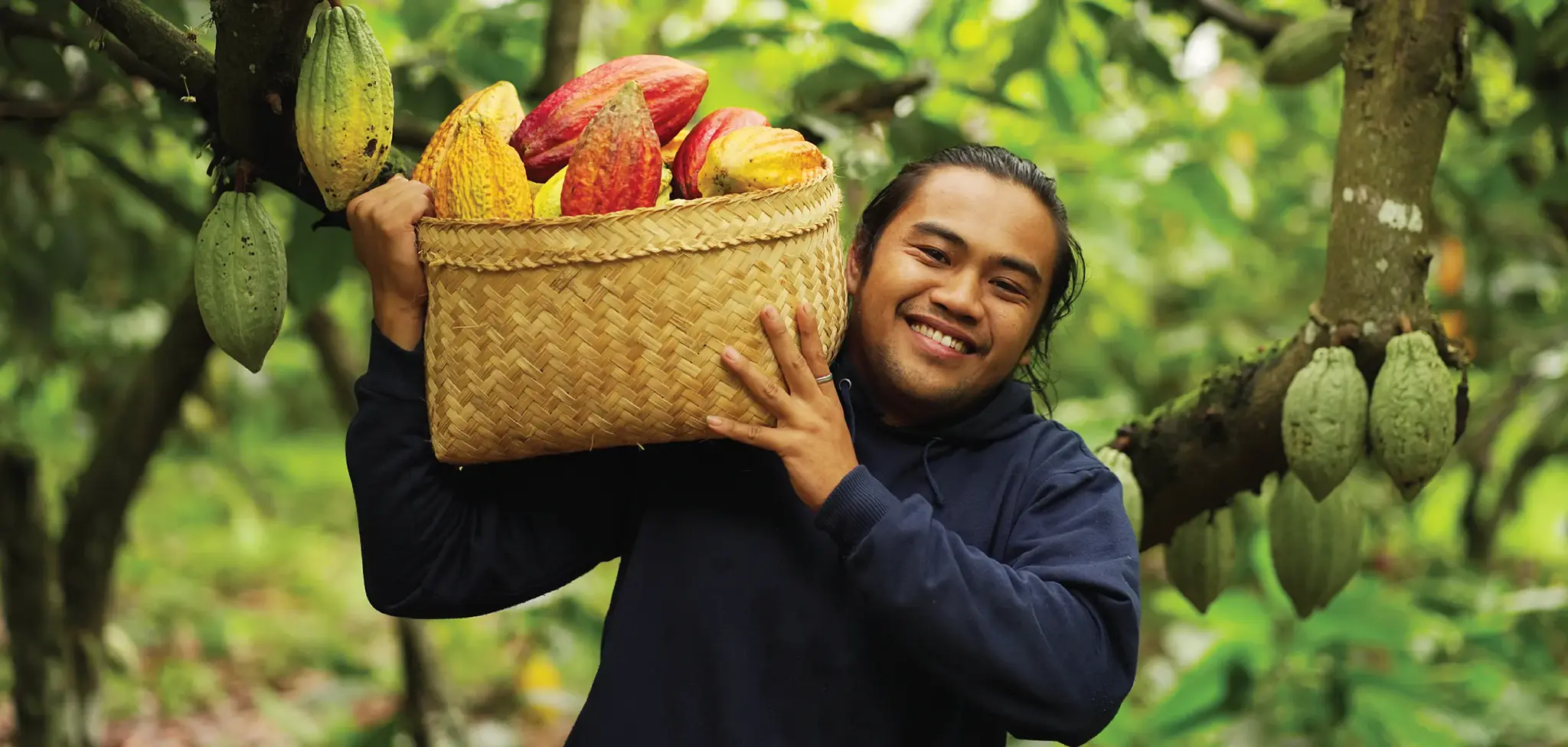
3. Origin, Storytelling & Ethical Sourcing Matter More Than Ever
In today's chocolate landscape, transparency and traceability have shifted from nice-to-have features to core expectations for consumers.
Traceability means being able to follow a product—right back through the supply chain to its exact origin, often down to the specific farm or plot where the cocoa beans were grown. Transparency goes a step further: openly sharing details about how that cocoa was produced, including farming practices, labor conditions, environmental impact, and sustainability efforts. Together, these practices build trust, letting buyers know their indulgence supports ethical, responsible production rather than contributing to issues like deforestation, child labor, or exploitation.
Why does this matter so much now? Shoppers are more informed and values-driven than ever. They want assurance that the chocolate they enjoy aligns with their principles—whether that's protecting rain forests, ensuring fair wages for farmers, or verifying deforestation-free sourcing. Brands that can't provide clear answers risk losing loyalty in a market where ethical choices influence purchasing decisions.
Both large-scale producers and premium brands are responding with major investments in these areas. Barry Callebaut, the world's leading chocolate and cocoa supplier, continues to advance its Forever Chocolate program (launched in 2016 with ambitious 2025 goals, now evolving toward 2030+ targets). A key achievement: as of 2024/25, the company has mapped over 1.5 million cocoa farms—a massive step toward full traceability. This detailed mapping supports compliance with regulations like the EU Deforestation Regulation (EUDR), enhances accountability across the supply chain, and gives customers greater visibility into where their ingredients truly come from.
For luxury and chef-focused brands like Valrhona, provenance and storytelling have long been powerful differentiators—and they're doubling down. Valrhona has committed to 100% traceability of its cocoa bean purchases since 2018, with full plot-level mapping of partner producers achieved by the end of 2024 (far exceeding basic legal requirements). This enables precise tracking from farm to finished chocolate, while supporting fair-trade principles, agroecology, and long-term partnerships with over 17,000 producers. Single-origin bars, clear sustainability commitments, and detailed origin stories remain hallmarks of high-end chocolate, turning each purchase into a meaningful narrative rather than just a treat.
In 2026, transparency isn't a marketing buzzword—it's the foundation of trust in chocolate. Consumers expect (and increasingly demand) to know the full journey from bean to bar, and forward-thinking manufacturers are delivering that clarity to meet the moment.
4. “Better-For-You” Chocolate Is Expanding
Indulgence remains the timeless soul of chocolate— that luxurious melt, the deep cocoa richness—but today's consumers, especially Gen Z and millennials, are redefining what a truly satisfying treat looks like. They're seeking chocolates that deliver pure pleasure while aligning with personal values around health, wellness, and sustainability.
This evolving demand has given rise to "mindful indulgences": chocolates that feel good to eat and feel good about eating. These include options that are:
- Lower in sugar (or no added sugar at all)
- Dairy-free or fully vegan
- Made with clean-label, natural ingredients (no artificial additives)
- Fortified with functional benefits like added fiber, antioxidants, or superfoods for an extra health boost
The goal isn't to sacrifice decadence—it's to enjoy it more consciously, blending sensory delight with thoughtful choices that support better-for-you lifestyles and ethical production.
Leading the way in premium, chef-grade innovation is Valrhona, whose groundbreaking lines perfectly capture this balance.
Take Amatika 46%, Valrhona's pioneering vegan couverture: a plant-based "milk" chocolate made with single-origin Madagascar cocoa beans blended with ground almonds for creamy sweetness and rich texture. It delivers the indulgent mouthfeel of traditional milk chocolate—notes of roasted almonds, subtle tang, and aromatic cocoa—without any dairy, making it ideal for vegan pastries, bonbons, ganaches, and bars that wow even non-vegan palates.
For those watching sugar intake, Valrhona's Xocoline range offers no-added-sugar options that don't compromise on taste. The Xocoline Dark 65% uses maltitol as a sweetener to let the cocoa's natural fruity, spicy, and slightly acidic notes shine through, while Xocoline Lactée 41% provides a milkier alternative with the same balanced sweetness.
Valrhona's Inspiration fruit-based couvertures (like Passion Fruit, Strawberry, or Raspberry) are naturally dairy-free and vegan-friendly, bursting with intense, pure fruit flavors from dehydrated juices combined with cocoa butter—no artificial colors or flavors—for vibrant, clean-label creations that feel fresh and purposeful.
In 2026, chocolate isn't about compromise—it's about elevation. These innovative products prove you can savor every bite while honoring your body and the planet, turning indulgence into something even more rewarding.
5. Innovation Driven by Cocoa Supply Challenges
One of the most powerful forces reshaping the chocolate industry today is cocoa price volatility and persistent supply pressures.
Driven by devastating crop diseases (like swollen shoot virus), erratic weather patterns in key producing regions (especially Côte d’Ivoire and Ghana), and structural issues such as aging trees and under-investment in farming, cocoa prices surged to historic highs—peaking well over $10,000–$12,000 per metric ton in late 2024 and early 2025. Even as prices have eased significantly in early 2026 (trading around $3,200–$5,000 per ton depending on the exchange and date), they remain elevated compared to the stable $2,000–$4,000 range that defined the market for decades. This roller coaster has forced manufacturers to rethink everything from pricing to product formulation.
In response, companies across the spectrum—from global giants to innovative startups—are pouring resources into research and forward-thinking alternatives to secure supply, stabilize costs, and future-proof indulgence.
Key areas of experimentation include:
Cocoa-free chocolate alternatives: Plant-based innovations like Planet A Foods' ChoViva (fermented sunflower seeds or soy) and emerging options from Prefer (fermented seeds and grains) deliver chocolate-like taste and texture without any cocoa beans, offering resilience against tropical supply risks.
Hybrid chocolates: Blends that incorporate alternative fats (such as shea butter, sustainable palm oil, or illipe) or partial cocoa substitutes (like carob-based Nuaré from CSM Ingredients) to reduce reliance on volatile cocoa mass while maintaining melt, snap, and functionality—ideal for coatings, fillings, and baked goods.
Precision-fermented cocoa compounds: Using microbial fermentation to recreate key cocoa flavor molecules and fats from sustainable feedstocks (oats, barley, or sidestreams), these approaches promise authentic profiles with greater consistency and lower environmental impact.
Lab-grown or cell-cultured cocoa components: Breakthroughs in plant cell culture—such as Puratos' upcoming professional chocolate product with California Cultured (targeted for late 2026 launch in the US), Mondelēz-backed Celleste Bio's cocoa butter, and explorations by Barry Callebaut and others—grow cacao cells in bioreactors to produce bio-identical cocoa butter, flavors, or full ingredients without traditional farming.
While many of these technologies are still scaling from lab to commercial reality, they signal a profound shift: the chocolate of the next decade may blend traditional cocoa with smart, sustainable innovations to keep the treat accessible, delicious, and planet-friendly amid ongoing uncertainty.
In short, volatility isn't just a challenge—it's accelerating creativity that could redefine what "chocolate" means for generations to come.
6. Digital-First Chocolate Brands Are Thriving
E-commerce has transformed how many chocolate businesses connect with customers. In 2026, digital-first chocolate brands continue to gain traction by combining strong storytelling, striking visuals, and seasonal product launches.
Direct-to-consumer models allow chocolatiers to:
- Launch limited-edition products quickly
- Build relationships with customers through email and social media
- Offer personalized assortments or curated gift boxes
- Maintain lower overhead compared to traditional retail
For small chocolatiers and boutique brands, online channels create opportunities to showcase unique flavors, origin-focused bars, and innovative textures.
7. Chocolate as an Experience
Chocolate is evolving far beyond a simple snack—it's being re imagined as a full sensory experience, a deliberate moment of pleasure and connection.
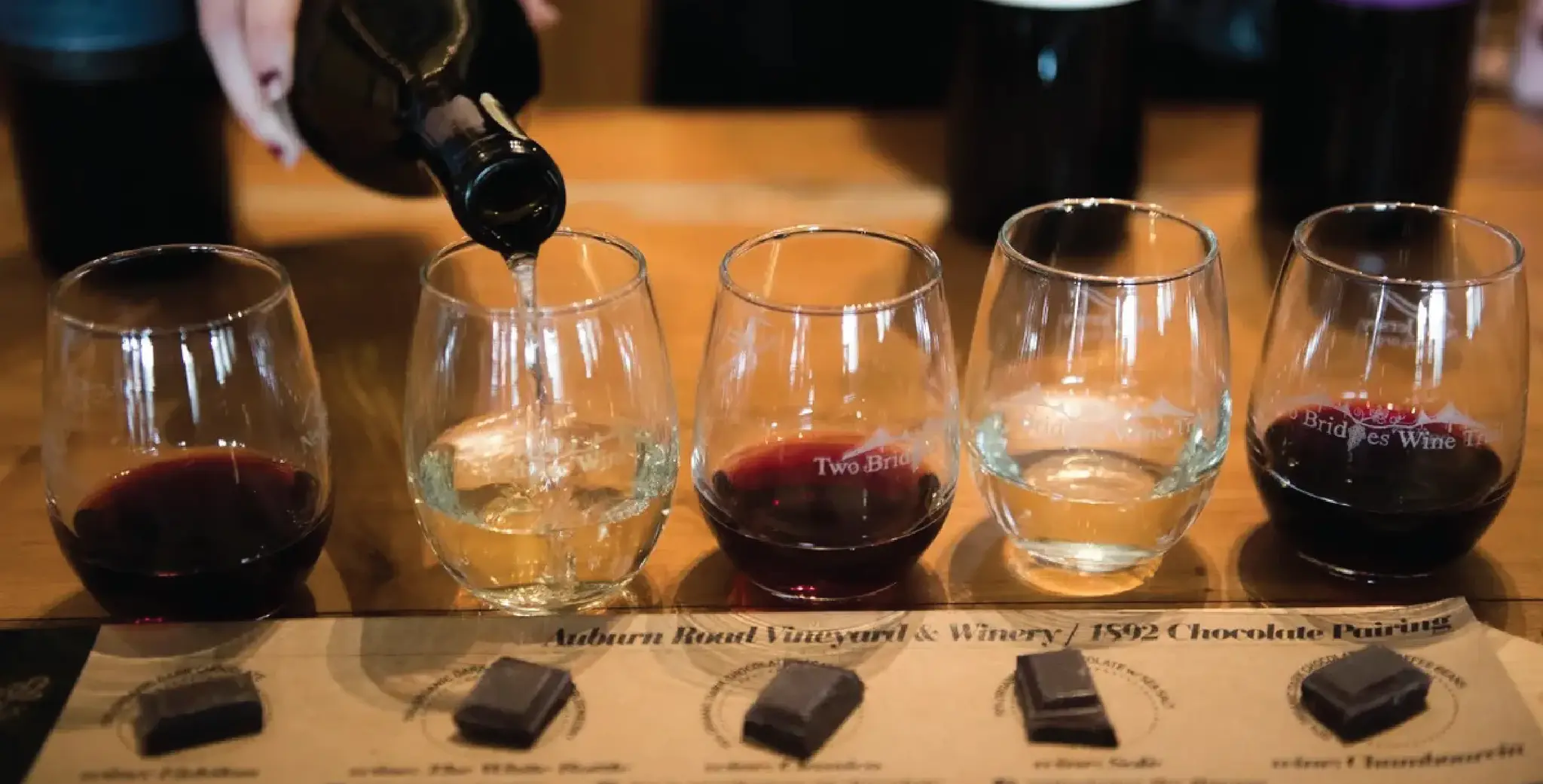
Today's chocolate lovers are diving into tasting flights—curated selections of bars, bonbons, or truffles sampled side by side to highlight contrasting origins, percentages, and flavor profiles. These are often elevated with thoughtful pairings that amplify every nuance: rich dark chocolate with bold red wine, creamy milk varieties alongside nutty coffee, floral single-origins with delicate tea, or intense cacao notes complemented by warming spirits like whiskey or aged rum. Whether at home, in specialty shops, or at dedicated events, these pairings turn a bite into a ritual of discovery.
What truly sets premium chocolate apart now is the emphasis on luxury packaging, storytelling, and immersive presentation. Think elegant gift boxes with satin ribbons, minimalist designs that whisper craftsmanship, or personalized touches that make every opening feel special. Brands are sharing the journey—from bean to bar, highlighting single-origin farms, sustainable practices, or artisanal techniques—to create emotional connections. The result? Chocolate becomes more than indulgence; it's a thoughtful gift, a shared ceremony, or a personal escape that lingers in memory.
The most coveted chocolates aren't just about taste—they're about crafting unforgettable rituals that celebrate slowness, sophistication, and joy in every carefully savored moment.
What This Means for the Industry
Major chocolate producers and artisan chocolatiers are approaching these trends in different ways.
Large suppliers like Barry Callebaut are investing heavily in research and innovation, particularly around sustainability, traceability, and alternative ingredients. Their trend frameworks around “Mindful Indulgence” and “Intense Indulgence” reflect both the health-conscious and premium sides of the chocolate market.
Meanwhile, premium chocolate brands such as Valrhona continue to lean into their strengths: origin-driven chocolate, chef partnerships, and high-end culinary experiences that highlight craftsmanship and provenance.
For smaller chocolatiers and boutique makers, these trends also present opportunity. Unique textures, bold flavor pairings, plant-based chocolates, and direct-to-consumer models offer ways to stand out in an increasingly creative chocolate landscape.
Quick Takeaways for Pastry Chefs & Chocolatiers
If you work with chocolate professionally, these trends point to several areas worth exploring in the coming year:
Experiment with texture.
Multi-layered chocolates, crispy inclusions, and filled bars are becoming increasingly popular. Think beyond smooth ganache to incorporate crunch, chew, and contrast.
Explore plant-based and dairy-free options.
Demand for vegan chocolate desserts continues to grow, and many suppliers are expanding their offerings of plant-based couvertures and fillings.
Highlight origin and sourcing.
Consumers care more than ever about where chocolate comes from. Featuring single-origin chocolates or ethically sourced cacao can help tell a stronger product story.
Keep an eye on cocoa pricing.
Volatility in cocoa markets may influence ingredient costs and product development in the coming years.
Think about experience, not just flavor.
Chocolate tasting flights, pairings with coffee or wine, and visually striking desserts are becoming increasingly popular ways to present chocolate.
Looking Ahead
Chocolate is entering a fascinating period of change. Rising cocoa prices, shifting consumer expectations, and rapid innovation are all pushing the industry to evolve.
In the years ahead, we may see entirely new forms of chocolate emerge alongside traditional cocoa-based products. At the same time, demand for high-quality, ethically sourced, and thoughtfully crafted chocolate is only growing stronger.
For pastry chefs, chocolatiers, and chocolate lovers alike, 2026 promises to be an exciting year for creativity and innovation.
Comments
Be the first to comment...