
All About Vanilla: How to Pick the Best Type for Your Recipe
- Posted on
- By The Pastry Depot
- 0
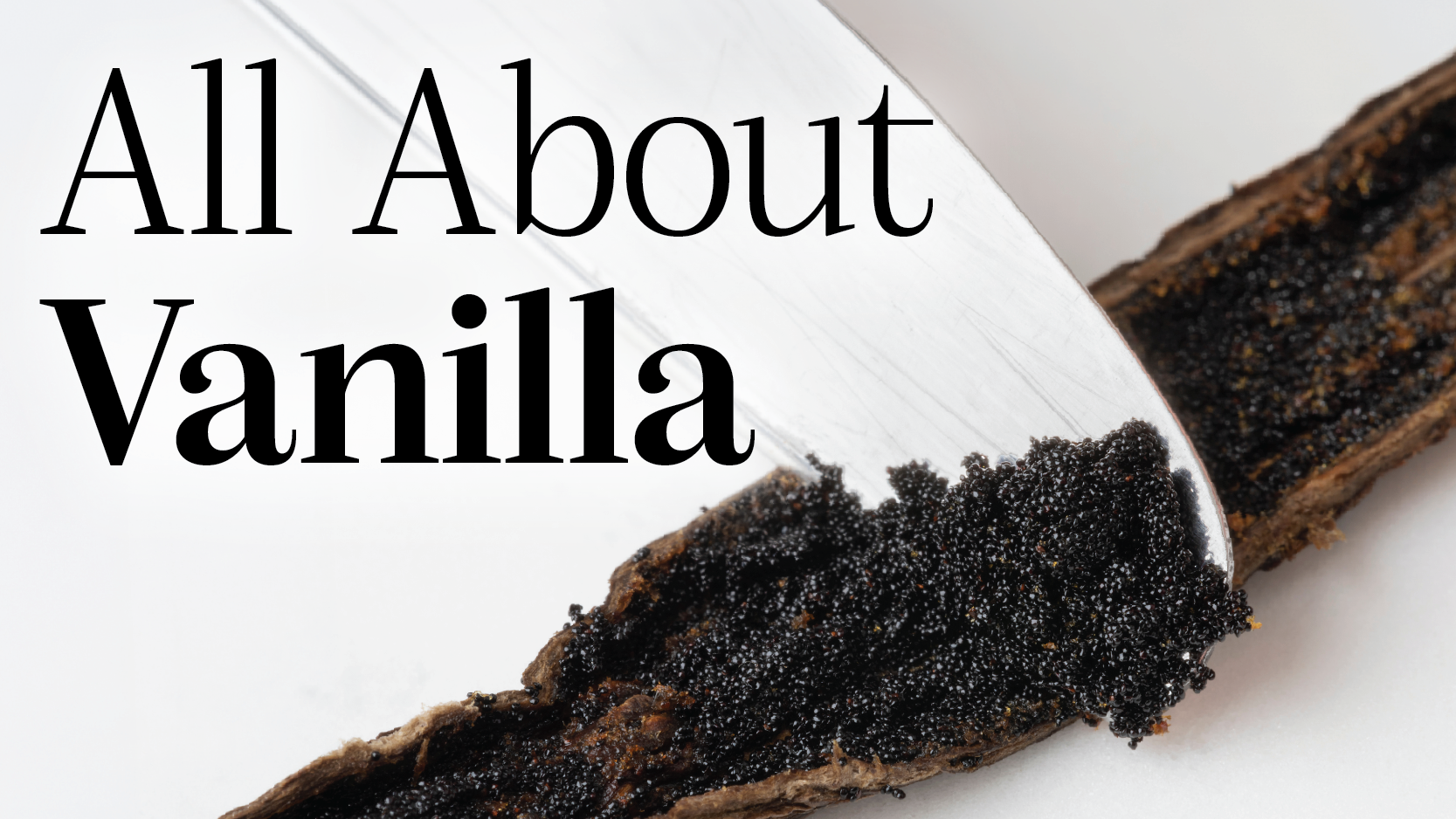
Not all vanilla is created equal – each form offers unique benefits. Learn how to choose the right vanilla for cakes, pastries, ice cream, chocolates, and more.
Vanilla may seem like a supporting ingredient, but it has the power to completely transform a recipe. It enhances chocolate, balances the acidity of fruit, softens bitterness, rounds out dairy, and adds warmth and depth to everything from chocolate chip cookies to creme brulee. In many desserts, vanilla isn't simply another flavor – it's the ingredient quietly tying everything together.
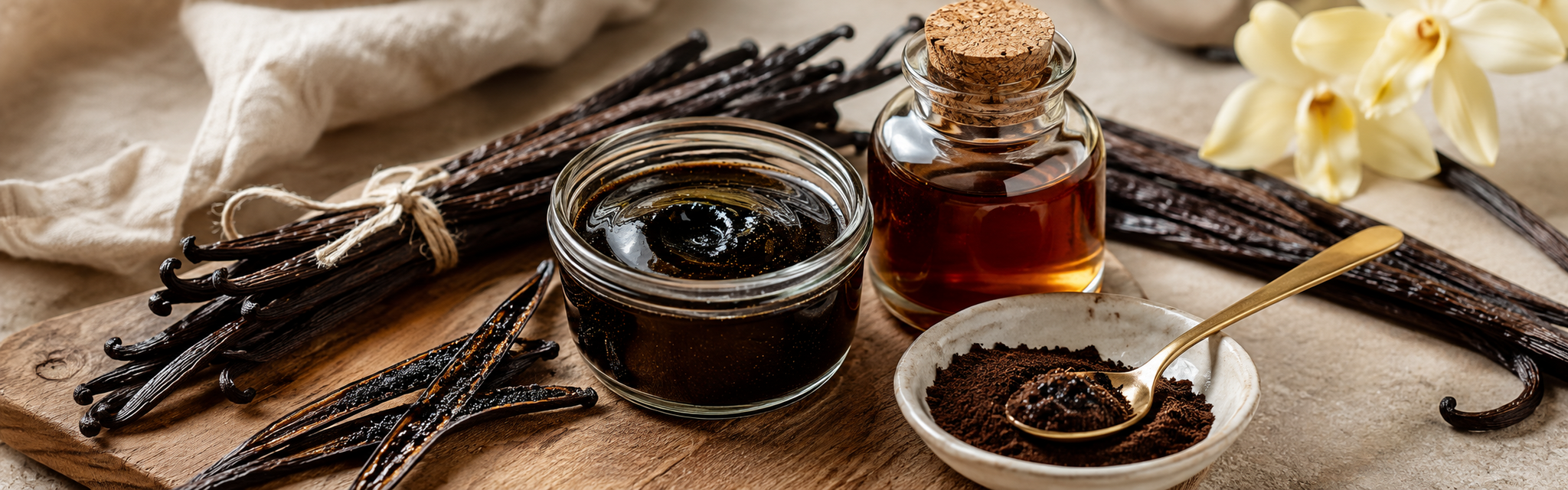
But vanilla isn't a one-size-fits-all ingredient. Whole beans, extracts, pastes, and powders each bring something different to a recipe, and even the origin of the vanilla can influence its flavor and aroma. Should you splurge on a whole vanilla bean? Is vanilla bean paste worth keeping on hand? And when does powder make more sense than extract?
Understanding the differences makes it much easier to choose the right vanilla for the job. Here's a closer look at the most common options and where each one shines.
Vanilla Extract: The Everyday Essential
If there's one vanilla product that earns a permanent spot in nearly every baker's pantry, it's pure vanilla extract.
Vanilla extracts, like Norohy Organic Pure Bourbon Madagascar Vanilla Extract, are made by extracting the flavor and aroma compounds from cured vanilla beans, pure vanilla extract offers consistent flavor, convenient measuring, and easy incorporation into virtually any recipe. Because it's liquid, it disperses evenly without significantly affecting the texture of batters, doughs, creams, or fillings.
It's an excellent everyday choice for:
- Cakes, cupcakes, and muffins
- Cookies and brownies
- Quick breads
- Frostings and buttercreams
- Pancakes and waffles
- Cheesecakes and other baked desserts
Some of vanilla's most delicate aromatic compounds can diminish during prolonged exposure to high heat, but plenty of flavor remains after baking. That's one reason extract continues to be such a reliable choice for everyday baked goods – especially recipes where vanilla is supporting other flavors rather than taking center stage.
What About Clear Vanilla Extract?
You may also come across products labeled "clear vanilla," but despite the name, these are typically not pure vanilla extracts. Most clear vanilla flavorings rely primarily on artificially produced vanillin rather than an extraction of whole vanilla beans. This makes it possible to create vanilla flavor without the natural amber-brown color of traditional extract.
Clear vanilla does have one important advantage: it won't tint a white or very pale dessert. That makes it useful for applications such as white wedding cakes, bright white buttercream, royal icing, marshmallows, sugar cookies, and pastel-colored confections where even a small amount of brown extract could affect the finished appearance.
The tradeoff is complexity. Clear vanilla provides a recognizable vanilla flavor, but it generally lacks the nuanced floral, woody, creamy, and aromatic notes found in products made from real vanilla beans.
Think of clear vanilla as a specialized tool rather than a substitute for premium vanilla. Use it when maintaining a pure white color is the priority; choose pure extract, paste, or beans when flavor is most important.
Whole Vanilla Beans: The Gold Standard
There's something special about working with a whole vanilla bean. Split open a good-quality pod and you'll find thousands of tiny seeds packed with concentrated flavor and aroma – not to mention the beautiful, speckled appearance that immediately signals "real vanilla" in a finished dessert.
Whole beans are especially worthwhile when vanilla is one of the primary flavors, such as in:
- Pastry cream and custards
- Ice cream and gelato
- Buttercream
- Vanilla bean cheesecake
- Panna cotta
- Syrups and infusions
And don't throw away the pod after scraping out the seeds! There's still plenty of flavor left. Steep it in warm cream or milk, add it to simple syrup, or bury dried pods in a container of sugar to make your own vanilla sugar.
At The Pastry Depot, you'll find premium options such as Norohy Madagascar Vanilla Beans, known for their rich, classic vanilla character and soft, supple pods. Madagascar vanilla is particularly versatile, making these beans a beautiful choice for custards, creams, cakes, confections, and other desserts where vanilla deserves to stand out.
Vanilla Bean Paste: The Best of Both Worlds
Love those beautiful vanilla bean specks but don't necessarily want to split and scrape a pod every time you make pastry cream? That's where vanilla bean paste comes in.
Vanilla bean paste, like that from Pastry Star and Norohy, combines concentrated vanilla flavor with real vanilla bean seeds, giving you much of the visual appeal and flavor associated with whole beans in a convenient, easy-to-measure format.
In many recipes, paste can be substituted approximately 1:1 for vanilla extract, although concentration varies by brand. For example, Norohy Vanilla Paste is 7x the strength of other brands, so a little goes a long way!
It's particularly useful in recipes where the vanilla will remain visible, including:
- Buttercream and whipped cream
- Custards and pastry cream
- Ice cream and gelato
- Mousse
- Cheesecake
- Creme brulee
- Sugar cookies and royal icing
For many pastry chefs, vanilla bean paste becomes the go-to option between everyday extract and whole beans. You get rich flavor and those distinctive vanilla specks without having to prep a fresh pod every time.
Vanilla Powder: Flavor Without Added Liquid
Vanilla powder or “caviar” doesn't always receive as much attention as beans, paste, and extract, but it can be incredibly useful – particularly in professional pastry and confectionery applications.
Its biggest advantage is simple: it's dry.
That makes vanilla powder ideal when you want to introduce vanilla flavor without adding additional moisture to a formulation. Depending on the specific product, it can be incorporated into dry mixes, chocolate and confectionery applications, coatings, or beverages.
Consider it for:
- Macarons
- Dry cake and baking mixes
- Chocolate and confectionery
- Sugar blends
- Cookie coatings
- Drink mixes
- Hot chocolate
- Coffee beverages
- Whipped toppings
It's also convenient for creating flavored dry ingredients. Blend it into sugar, for example, and you have an easy vanilla sugar for dusting pastries, coating cookies, or finishing desserts. Because vanilla powders can vary significantly in concentration and formulation, always check the manufacturer's recommended usage before substituting one directly for another form of vanilla.
Tahitian vs. Madagascar Vanilla: What's the Difference?
Choosing the form of vanilla is only part of the equation. Where the vanilla comes from – and the variety of orchid that produces it – can also have a noticeable impact on its flavor and aroma.
Two of the best-known types are Madagascar and Tahitian vanilla. Neither is inherently "better” than the other. Instead, think about what you want the vanilla to contribute to the finished dessert.
Tahitian vanilla can be 3x the price or more of Madagascar vanilla, making Madagascar vanilla generally more available. Due to its price, many Tahitian vanillas are only available through specialty suppliers or as special-order items, like the Vanil A Bean Grade A Tahitian Vanilla Beans available at The Pastry Depot. While it’s higher price may make Tahitian vanilla may seem like the “best” option, that is not always the case.
Madagascar Vanilla (Vanilla planifolia)
Madagascar vanilla, like Norohy Organic Pure Bourbon Madagascar Vanilla Extract, delivers the familiar, full-bodied vanilla character most people immediately recognize. It's typically rich, creamy, and warm, with notes that can suggest caramel, butter, wood, and subtle spice.
That depth also makes Madagascar vanilla an excellent team player. It can stand up to other assertive ingredients without disappearing into the background.
It pairs especially well with:
- Chocolate and cocoa
- Caramel
- Coffee
- Nuts and pralines
- Dairy-based creams and custards
- Cakes, cookies, and brownies
- Cheesecake and buttercream
If you're stocking only one type of vanilla, Madagascar is an excellent all-purpose choice. Its familiar flavor works beautifully in both baked and unbaked applications.
Tahitian Vanilla (Vanilla tahitensis)
Tahitian vanilla offers a noticeably different experience. It's typically more delicate, perfumed, floral, and fruity, with aromatic notes often compared to cherry, anise, tropical fruit, or flowers.
Rather than simply making something taste "more vanilla", Tahitian vanilla can add another layer of aroma and complexity to a dessert.
It pairs particularly well with:
- Berries and stone fruit
- Tropical fruits
- Coconut
- Citrus
- Ice cream and gelato
- Whipped cream
- Mousses and panna cotta
- Delicate vanilla-forward creams
Because some of its beautiful aromatic qualities can become less pronounced with prolonged high heat, Tahitian vanilla is particularly impressive in chilled, frozen, lightly cooked, or no-bake preparations.
Which One Should You Choose?
With so many options, the easiest way to choose is to ask yourself three questions:
How important is vanilla to the overall flavor?
Will the dessert be baked?
And does appearance matter?
For every day cakes, cookies, brownies, and quick breads, pure vanilla extract is usually your most practical choice. It's easy to measure, distributes evenly, and provides reliable vanilla flavor without adding extra steps.
If you're making something like pastry cream, creme brulee, vanilla ice cream, panna cotta, or a vanilla-forward buttercream, consider stepping up to vanilla bean paste or whole vanilla beans. These are applications where the additional complexity – and those beautiful visible seeds – can make a noticeable difference.
Choose vanilla powder when adding liquid isn't desirable or when vanilla needs to be incorporated evenly into a dry formulation.
And then consider origin:
Choose Madagascar vanilla for a rich, creamy, classic vanilla profile. It's especially well-suited to chocolate, caramel, coffee, nuts, baked goods, and rich dairy-based desserts.
Choose Tahitian vanilla when you want something more aromatic, floral, and fruit-forward. It's an excellent partner for berries, tropical fruit, citrus, coconut, and delicate creams.
Choose clear vanilla flavoring primarily when maintaining a perfectly white or very pale finished color matters more than achieving the complexity of real vanilla.
And remember, you don't necessarily have to choose just one. Layering different forms of vanilla can be an effective way to build flavor. For example, you might infuse custard with a whole bean and add a small amount of extract or paste toward the end of preparation to reinforce some of vanilla's more delicate aromatic notes.
How Much Vanilla Should You Use?
This is where recipes can be a little misleading. You'll frequently see "1 teaspoon vanilla extract" regardless of whether you're making a small batch of cookies or a dessert where vanilla is supposed to be one of the defining flavors.
In reality, the right amount depends on the type of vanilla you're using, the size of the recipe, the other flavors involved, and how prominent you want the vanilla to be.
As a general starting point:
Pure vanilla extract: About 1 teaspoon is appropriate for many standard cake, cookie, and brownie recipes. For vanilla-forward recipes or larger batches, 1 tablespoon or more may be appropriate.
Vanilla bean paste: In many recipes, paste can be substituted approximately 1:1 for vanilla extract, although concentration varies by brand.
Whole vanilla beans: One whole bean can provide pronounced vanilla flavor to a batch of pastry cream, custard, ice cream base, or similar preparation. The exact equivalent to extract varies considerably based on the bean's size, moisture, variety, and potency.
Vanilla powder: Follow the manufacturer's recommendations. Powders vary in composition and concentration, so there isn't one universal conversion.
It's also worth considering when you add the vanilla.
For custards, ice creams, pastry creams, and infused dairy preparations, a whole vanilla pod can be steeped in the liquid to extract as much flavor as possible. Scraping the seeds into the mixture provides even more flavor and the signature speckled appearance.
Extracts and pastes can sometimes benefit from being added later in the preparation – particularly in recipes that don't require the vanilla to cook for structural or food-safety reasons. This can help preserve more of their delicate aromatic qualities.
Most importantly, don't automatically assume that more vanilla is always better. Vanilla should complement the overall composition of the dessert. In chocolate, coffee, caramel, or heavily spiced recipes, it may work quietly in the background. In vanilla ice cream or creme brulee, it should be unmistakable.
Start with the recipe as your guide, taste when possible, and adjust based on the vanilla you're using and the result you want.
Finding the Right Vanilla for Your Kitchen
Professional pastry chefs often keep several forms of vanilla on hand – and there's a good reason for that. Each one solves a slightly different problem.
Pure extract is dependable for everyday baking. Vanilla bean paste provides convenience with a premium appearance. Whole beans bring exceptional aroma and character to signature desserts. Powder provides vanilla flavor without introducing additional liquid. And choosing between Madagascar and Tahitian vanilla gives you even more control over the final flavor profile.
Whether you're baking a simple batch of cookies, developing a signature pastry, crafting elegant plated desserts, or producing desserts at scale, choosing the right vanilla can help bring out the very best in every other ingredient.
At The Pastry Depot, you'll find a carefully curated selection of professional-quality vanilla beans, extracts, pastes, powders, and specialty vanilla products for pastry chefs, bakeries, chocolatiers, and passionate home bakers alike. Because vanilla may play a supporting role in plenty of recipes
Comments
Be the first to comment...