Raw Chocolate: Why It’s Trending and What It Means for the Future of Chocolate
- Posted on
- By The Pastry Depot
- 0
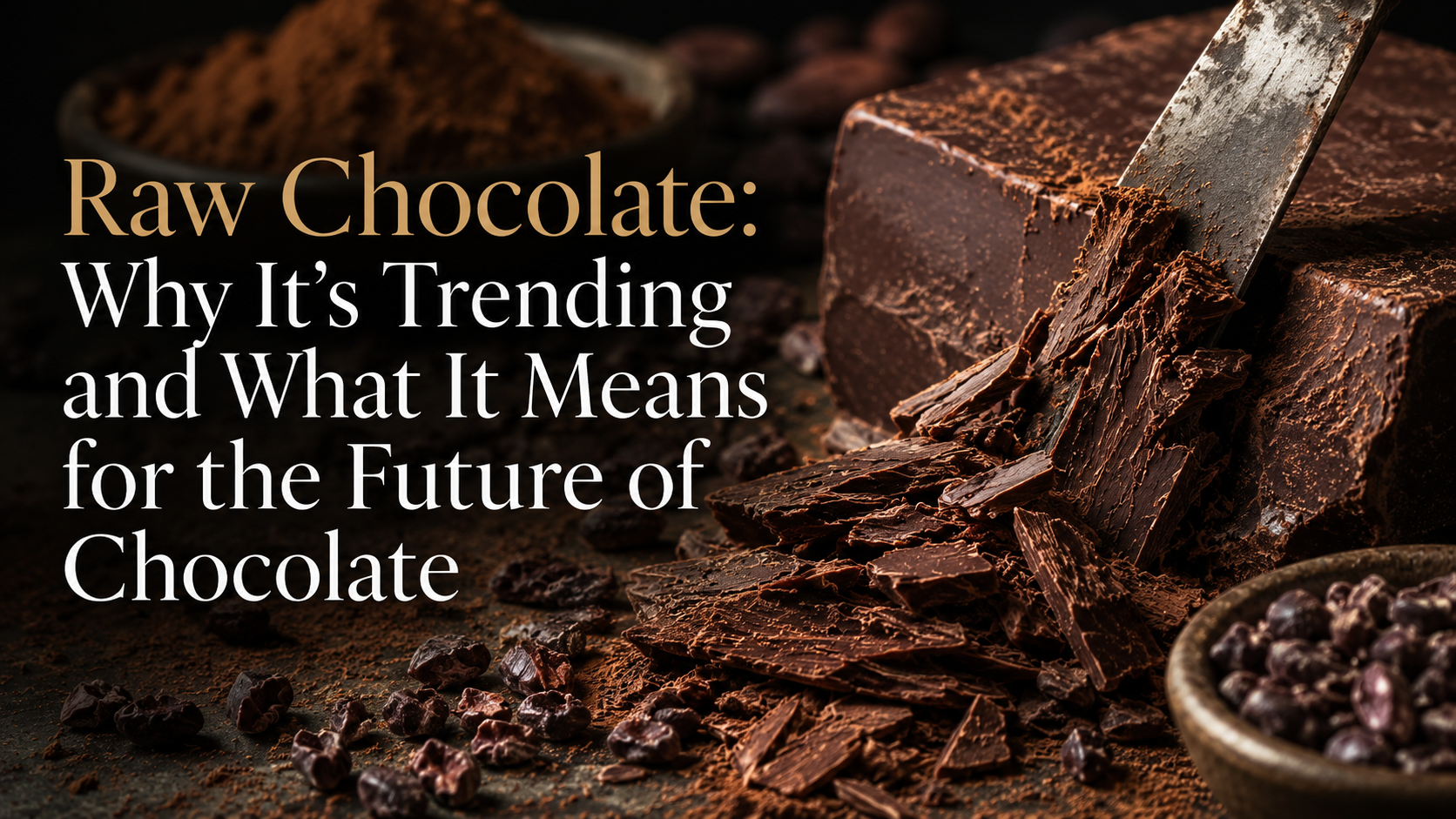
Chefs and customers alike are looking for chocolate with transparency and connection to the cacao bean, making the growth of raw and minimally processed chocolate a trend worth watching.
Consumers are paying closer attention to what is in their food, where it comes from, and how it is made. That shift has helped raw and minimally processed chocolate become one of the most interesting chocolate trends to watch.
Rather than aiming for the ultra-smooth, highly refined texture often associated with conventional chocolate, raw chocolate leans into the natural complexity of the cacao bean.
For many chocolate lovers, that is part of the appeal. Raw and minimally processed chocolate can feel:
- More direct
- More expressive
- More connected to its origin
- Less polished in the best possible way
It is not just about indulgence. It is about honesty, craftsmanship, and a deeper appreciation for cacao itself.
What Makes “Raw” Chocolate Different?
Raw or minimally processed chocolate typically uses cacao beans that are:
- Unroasted
- Lightly roasted
- Processed at lower temperatures than traditional chocolate
It also tends to avoid heavy refining and unnecessary ingredients. The result is often:
- A shorter ingredient list
- Less intensive processing
- A more bean-forward flavor profile
- More of the cacao bean’s original character
That character can come through in many ways, including:
- Deeper cacao notes
- Earthy undertones
- Fruitiness
- Acidity
- Bitterness
- Floral complexity
Compared with classic chocolate bars, raw chocolate may taste richer, more rustic, and sometimes more surprising. Try the new Fleur de Cao by Callebaut, which is lightly roasted with deep cacao notes.
Because the processing is minimal, raw chocolate often has a more natural texture as well. It may be slightly grainier or less polished than a traditional couverture or confectionery bar.
For some consumers, that “rough around the edges” quality is exactly the point. It feels handmade, bean-driven, and closer to the source.
Raw chocolate also fits neatly into the growing interest in clean-label indulgence. Many raw bars skip:
- Refined sugar
- Dairy
- Artificial flavors
- Unnecessary additives
That makes them especially appealing to vegan, health-conscious, and ingredient-savvy consumers.
Why It’s Gaining Momentum
According to a recent article in Confectionery News, raw and minimally processed chocolate has become one of the fastest-growing areas within the premium chocolate space.
That momentum makes sense when viewed alongside broader consumer shifts. More shoppers are looking for foods that offer:
- Ingredient transparency
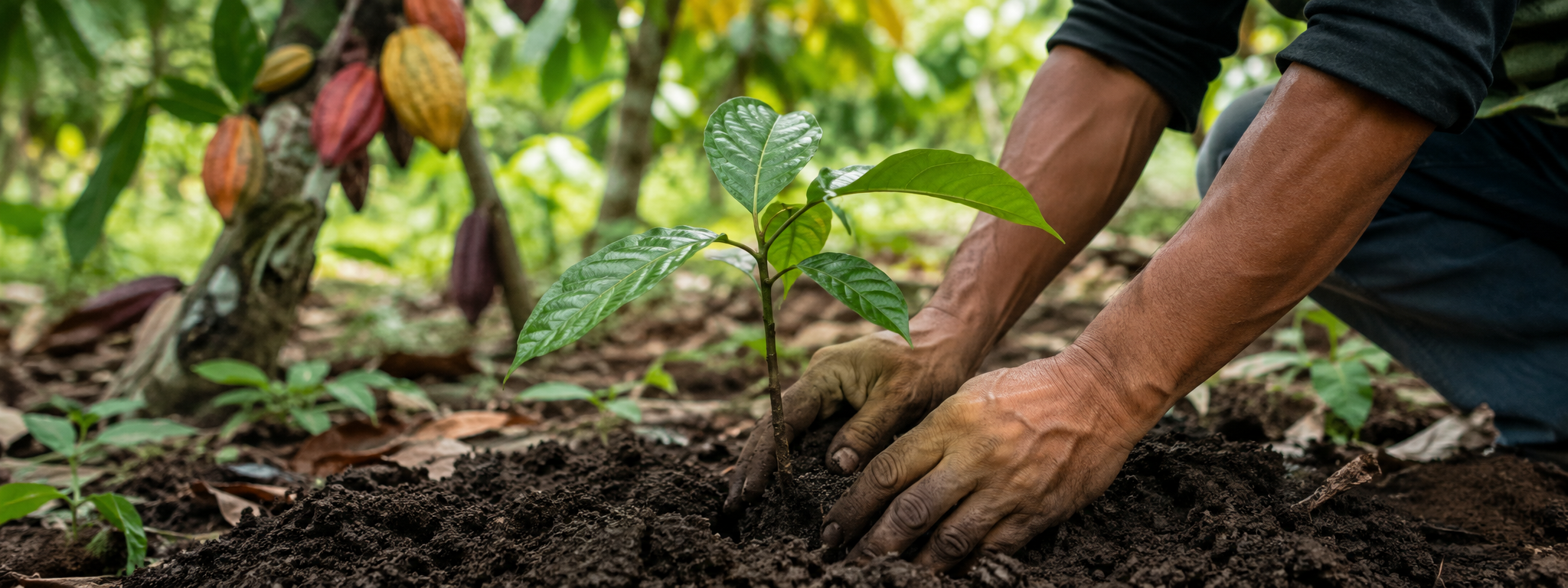
- Clear sourcing
- Shorter ingredient lists
- Less processing
- A stronger connection to wellness and lifestyle values
Ultra-processed foods are receiving more scrutiny, while transparency, sourcing, and ingredient simplicity are becoming more important purchasing factors.
Raw chocolate sits right at the center of that shift. It offers:
- Minimal ingredients
- Clear provenance
- A perception of purity
- A premium, craft-driven feel
This trend also overlaps with the continued growth of premium, bean-to-bar, and single-origin chocolate.
Consumers are becoming more curious about:
- Cacao variety
- Origin
- Fermentation
- Roast level
- Maker philosophy
- Cacao percentage
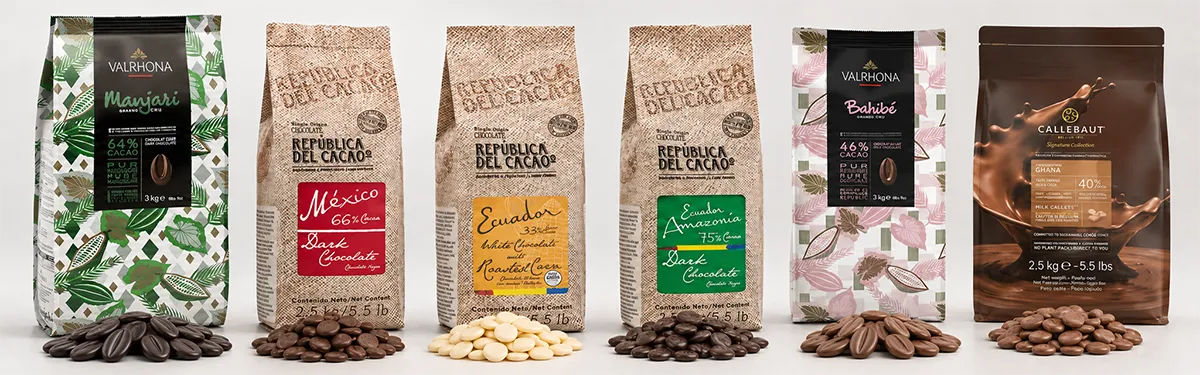
High-cacao bars, craft chocolate, and origin-driven couvertures are no longer just niche products for chocolate professionals. Because of this growing interest and desire for “cleaner” products, single-origin couverture chocolates like Valrhona Manjari 64% Dark Chocolate, Republica del Cacao Mexico 66% Dark Chocolate, and RDC Ecuador 33% White Chocolate with Roasted Corn are becoming part of the broader chocolate conversation.
What Raw Chocolate Offers
For consumers, raw chocolate offers several appealing benefits:
- A more authentic chocolate experience: Natural flavor complexity, cleaner ingredient lists, and a stronger sense of craft.
- Health-oriented indulgence: Less refining, fewer additives, and, in some cases, no refined sugar or dairy.
- A unique sensory experience: Bean-driven flavors, rustic textures, and complex notes that reflect cacao origin and variety.
- A stronger sourcing story: More emphasis on where the cacao comes from and how it is handled.
- A more mindful way to enjoy chocolate: Indulgence that feels intentional, thoughtful, and connected to the ingredient itself.
For producers and chocolatiers, raw and minimally processed chocolate offers a meaningful way to stand out in a crowded market.
It gives makers room to highlight:
- Small-batch production
- Traceable sourcing
- Bean origin
- Processing methods
- Ethical sourcing
- Craftsmanship
- Distinct flavor profiles
All of this helps create a stronger connection between the maker and the customer.
The Challenges of Raw Chocolate
Raw chocolate also comes with challenges.
Minimally processed chocolate can be less predictable than conventional chocolate. Because fewer refining steps are used to smooth out flavor and texture, the natural variation of the bean comes through more clearly.
That can be beautiful, but it can also make consistency more difficult.
As one maker quoted in Confectionery News noted, “every nuance of the bean comes through — for better or worse.”
Some of the main challenges include:
- Flavor consistency: Batch-to-batch variation may be more noticeable.
- Texture: Raw chocolate may be more rustic or grainy than highly refined chocolate.
- Quality control: With less processing, there are fewer opportunities to correct off flavors or defects.
- Food safety: Careful sourcing and handling become especially important.
- Consumer expectations: Some customers may need education around the more natural texture and flavor.
Many raw chocolate makers address these challenges through:
- Careful cacao sourcing
- Small-batch production
- Tightly controlled processing environments
- Clear communication about texture, flavor, and origin
Chocolate Brands and Products to Watch in 2026–2027
While not every premium chocolate is raw, the rise of raw and minimally processed chocolate points to a larger consumer appetite for chocolate with a story.
Today’s chocolate customers are increasingly interested in:
- Better sourcing
- Stronger cacao identity
- Shorter ingredient lists
- More transparency
- Distinctive flavor profiles
- Professional-quality ingredients
At The Pastry Depot, several professional chocolate brands and products speak to those same values, especially for chocolatiers, pastry chefs, and bakers looking for expressive, high-quality chocolate.
República del Cacao
Republica del Cacao
is a strong example of the origin-focused movement.
Products like República del Cacao Amazónica 75% Dark Chocolate highlight the depth and character of Latin American cacao. With its high-cacao profile, it appeals to professionals who want:
- Bold chocolate flavor
- A clear sense of origin
- Depth and intensity
- A chocolate that feels connected to place
Valrhona
Valrhona continues to be a leader in premium chocolate for pastry professionals, especially when it comes to carefully developed flavor profiles and consistent performance.
Chocolates like Valrhona Bahibe 46% Milk Chocolate offer a high-cacao, origin-driven milk chocolate option for applications where professionals need:
- Intensity
- Balance
- Creaminess
- Reliable workability
- A refined flavor profile
Callebaut
Callebaut also remains important to watch as consumer interest in origin and cacao character grows.
Products such as Callebaut Ghana 40% Milk Chocolate and Fleur de Cao 70% Dark Chocolate show how origin-specific chocolate can bring more personality to familiar formats.
These chocolates give professionals a way to create approachable desserts with:
- More distinctive cacao character
- Reliable performance
- Familiar formats
- A stronger chocolate story
Together, these brands show that the future of chocolate is not only about whether a product is raw.
It is also about:
- Transparency
- Quality
- Sourcing
- Cacao expression
- Professional performance
- Giving pastry professionals better tools to create desserts with meaning
What This Trend Suggests for the Future
Raw and minimally processed chocolate represents more than a niche or passing fad. It is part of a much larger shift in how consumers think about food.
Chocolate is no longer viewed only as a sweet treat. Increasingly, it is also a statement about:
- Values
- Health
- Origin
- Ethics
- Craftsmanship
- Ingredient quality
As demand grows for traceability, ingredient transparency, ethical sourcing, and mindful indulgence, raw chocolate is well positioned to become a larger part of the premium chocolate market.
For chocolatiers and pastry professionals, this trend creates room for innovation, including:
- Small-batch bean-to-bar operations
- Partnerships with responsible cacao producers
- Creative texture experiments
- Origin-driven recipes
- Low-temperature processing
- More transparent storytelling
As raw and minimally processed cacao products continue to gain attention, larger manufacturers may also begin investing in:
- Low-temperature processing methods
- Raw-inspired product lines
- Collaborations with bean-to-bar specialists
- More origin-focused chocolate collections
For now, one thing is clear: consumers are paying closer attention to what is inside their chocolate — and the story behind it.
For pastry professionals, that creates an opportunity to work with chocolate that is not only delicious, but thoughtful, expressive, and rooted in the true character of cacao.
Comments
Be the first to comment...